
If you’re planning your first trip to Brazil, this Rio de Janeiro Travel Guide is designed to help you experience the city beyond the postcards. Rio de Janeiro is bold, layered, and alive: where iconic landmarks sit alongside deep Afro-Brazilian history, world-class food, electric nightlife, and nature that feels almost unreal for a major city.
Whether you’re visiting for Carnival, tagging Rio onto a multi-city Brazil trip, or simply craving culture, this 3-day Rio de Janeiro itinerary balances must-see sights with experiences that show you the real soul of the city.
Table of Contents
Day 1: Iconic Rio & City Views
Christ the Redeemer (Cristo Redentor)

No Rio de Janeiro Travel Guide would be complete without starting at Christ the Redeemer, one of the New Seven Wonders of the World. Standing 98 feet tall atop Corcovado Mountain, this statue doesn’t just impress: it commands the city.
What surprised me most wasn’t just the monument, but the sweeping views of Rio below: beaches, mountains, favelas, and forests all in one frame.
How to get there:
The scenic train through Tijuca National Park is the best option and is included with your ticket.
Clem’s Gems:
- Visit before 10 AM or after 4 PM for fewer crowds
- Book tickets in advance—time slots sell out
- Clear days = unbeatable views

Sugarloaf Mountain (Pão de Açúcar)
After Christ the Redeemer, head to Sugarloaf Mountain. This two-stage cable car ride offers some of the most unforgettable sunset and nighttime views in Rio.
It’s especially perfect if you only have a few days in the city and want maximum impact with minimal effort.

Dinner at Fogo de Chão
Wrap up Day 1 with dinner at Fogo de Chão, one of Brazil’s most famous churrascarias. Expect endless cuts of fire-roasted meat, a legendary salad bar, and an introduction to Brazil’s bold food culture.
Day 2: Beaches, Nature & Artistic Rio
Beach Time: Copacabana, Ipanema & Barra Beach
Rio’s beach culture is a lifestyle, and beach hopping is essential. Here are a few Rio de Janeiro beaches you should have on your itinerary.
- Copacabana – iconic, lively, and energetic
- Ipanema – trendy, local, and known for sunsets
- Barra Beach – less touristy, long stretches of sand, and a local favorite
Barra Beach, in particular, often gets overlooked, which is exactly why it deserves a spot in this Rio de Janeiro Travel Guide.
Tijuca National Park
Few cities in the world have a rainforest within city limits. Tijuca National Park is one of the largest urban rainforests on Earth.

Don’t miss:
- Vista Chinesa viewpoint
- Cascatinha Taunay waterfall
- Wildlife spotting (monkeys & tropical birds)
This is nature, adventure, and escape, all without leaving the city.
Santa Teresa: Rio’s Artistic Soul
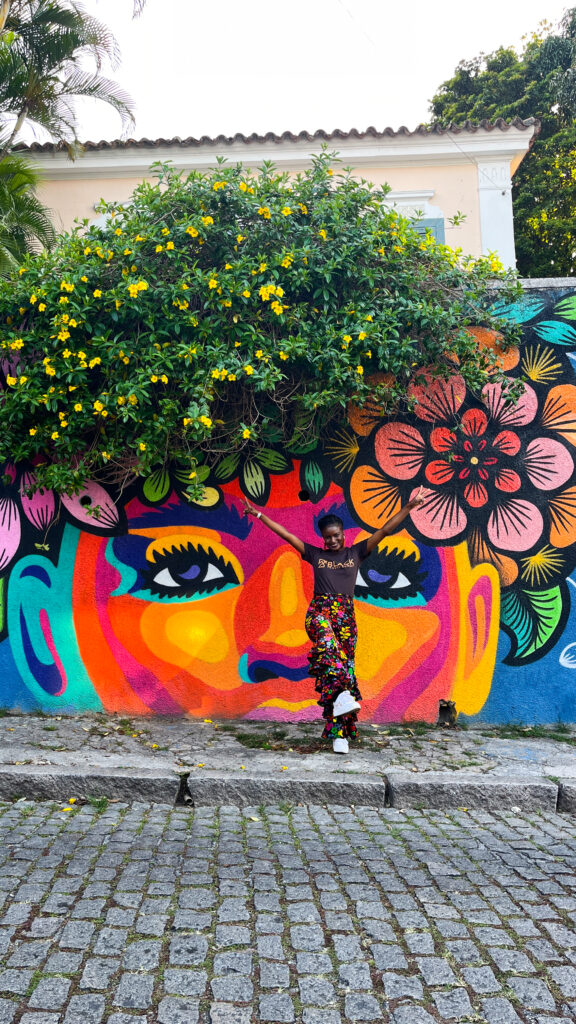
Santa Teresa was my aha moment in Rio. Cobblestone streets, vibrant murals, Afro-Brazilian art, and a creative energy that feels deeply familiar if you’re from the Global South. This neighborhood feels lived-in, expressive, and emotional in the best way. It’s also home to some of the city’s most meaningful cultural experiences.
Selarón Steps (Escadaria Selarón)
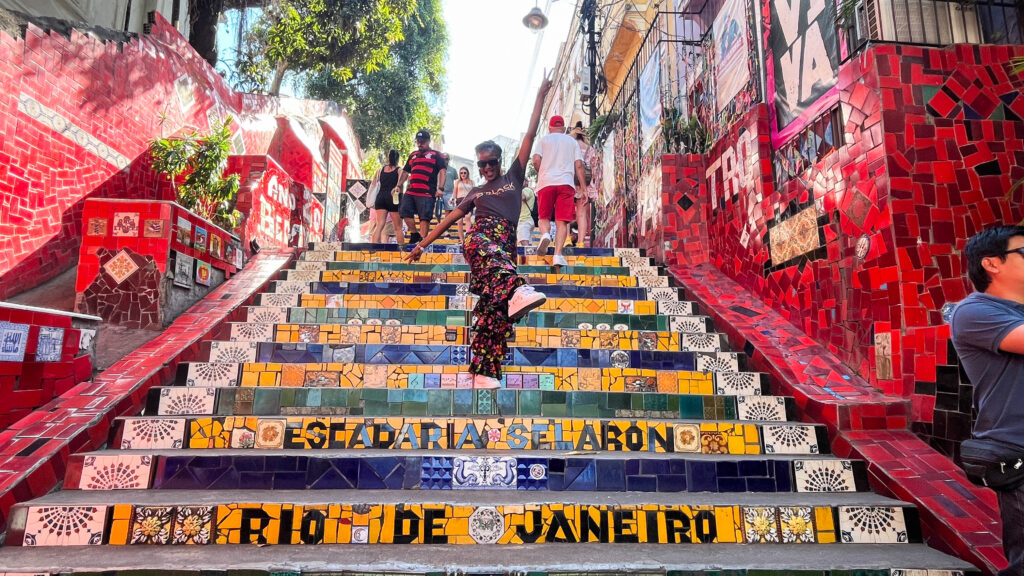
Created by artist Jorge Selarón, the Selarón Steps are one of Rio’s most photographed landmarks and for good reason. Over 200 steps are covered in tiles from more than 60 countries, turning a personal art project into a global symbol of cultural exchange.
Best time to visit:
Early morning for photos, late afternoon for atmosphere.
Day 3: Food, Afro-Brazilian Culture & Nightlife
Zungu Food & Culture Tour with Etnias Turismo
To truly understand Rio, you need to eat your way through its history. The Zungu Food and Culture Tour by Etnias Turismo is one of the most powerful experiences in this Rio de Janeiro Travel Guide.
This Black-owned afrotourism company takes you through Little Africa (Pequena África), starting at Pedra do Sal (the birthplace of samba) and into ancestral kitchens like Casa Omolokum. Every dish tells a story of resistance, survival, and joy.
This isn’t just a food tour, it’s cultural preservation through tourism.

Nightlife: Samba, Street Parties & Afrobeat
It would be a remiss to go to Rio de Janeiro and not experience a little bit of nightlife! And if you are traveling solo, you can definitely join a group for party experiences in Rio. Here are some of the top night life experiences that I recommend for your first visit to Rio de Janeiro:
- Casa Savana – Afrobeat, fashion nights, and nonstop dancing
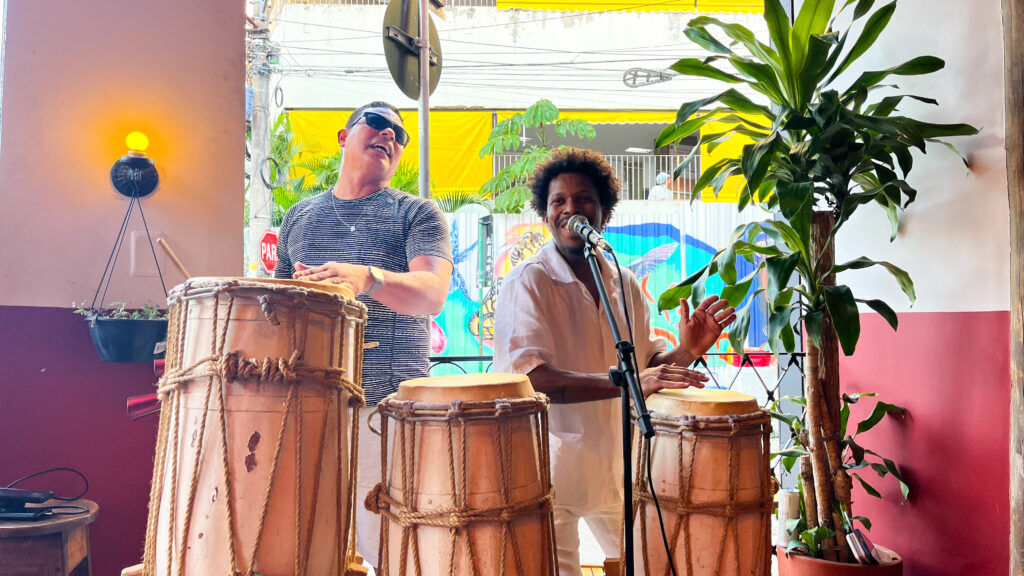
- Pedra do Sal – live samba and street parties
- Arcos da Lapa – line dancing under the aqueduct
- Bar hopping in Little Africa & Lapa for caipirinhas

Now, I am sharing some practical tips for Rio de Janeiro to help you streamline your trip and make your vacation more memorable.
Practical Travel Tips for Rio de Janeiro
- Best time to visit: February (Carnival) or May–November (drier season)
- Getting around: Uber is reliable and widely used
- Safety: Stick to well-lit areas, avoid flashing valuables, book guided tours
- Language: Portuguese helps—download Google Translate
- Connectivity: An eSIM for Brazil makes navigating easier
Final Thoughts: Why Rio Belongs on Your Bucket List
Rio de Janeiro is not just a destination—it’s an experience that stays with you. From standing beneath Christ the Redeemer to dancing in Little Africa, from rainforest hikes to Afro-Brazilian kitchens, this Rio de Janeiro Travel Guide proves that the city offers far more than beaches and photo ops.
If you want culture, history, food, music, nature, and soul—all in one place—Rio delivers.
And chances are… you’ll already be planning your return before you leave.

And while you’re here, these are my best resources to make your trip to Brazil even more amazing:
- Rio de Janeiro Travel Guide: 3 Days of Food, Culture & Iconic Sights
- 9 Things to do in Rio de Janeiro that will how you the Real Side of the City
- Visiting Christ the Redeemer, Rio: Everything you Need to Know
- Is Brazil Safe for Female Travelers?
- Inside the Radisson Barra in Rio de Janeiro
- Inside the Grand Hyatt Rio de Janeiro
Leave a Reply